
Choosing the right educational environment is one of the most important decisions parents make. From the first childcare experience through to the school years, children spend a significant amount of time learning, developing relationships and discovering their interests.
The needs of a six-month-old are naturally different from those of a teenager, so there is no single checklist that applies to every stage. However, parents can look for some consistent qualities, including a safe environment, supportive educators, meaningful learning opportunities and a strong sense of community.
Rather than focusing only on convenience or appearances, it can be helpful to consider how an educational setting will support a child’s development over time.
Start With the Early Years
Early childhood is a period of rapid development. Children begin developing communication skills, social awareness, independence and problem-solving abilities through everyday experiences.
For younger children, the relationship they build with educators can be particularly important. A welcoming environment with consistent routines can help children feel secure while they gradually become more comfortable spending time away from home.
Parents comparing childcare Buderim options, for example, may want to visit several centres before deciding. Seeing the environment firsthand can provide a much better understanding of how children are supported throughout the day.
During a visit, parents can observe whether the spaces encourage exploration and whether educators appear engaged with the children. Questions about daily routines, learning activities, meals, outdoor play and communication can also help families determine whether a centre is suitable.
Look at How Children Learn Through Play
Young children do not need every part of their day to resemble a traditional classroom. Play is one of the ways they naturally explore the world and develop new skills.
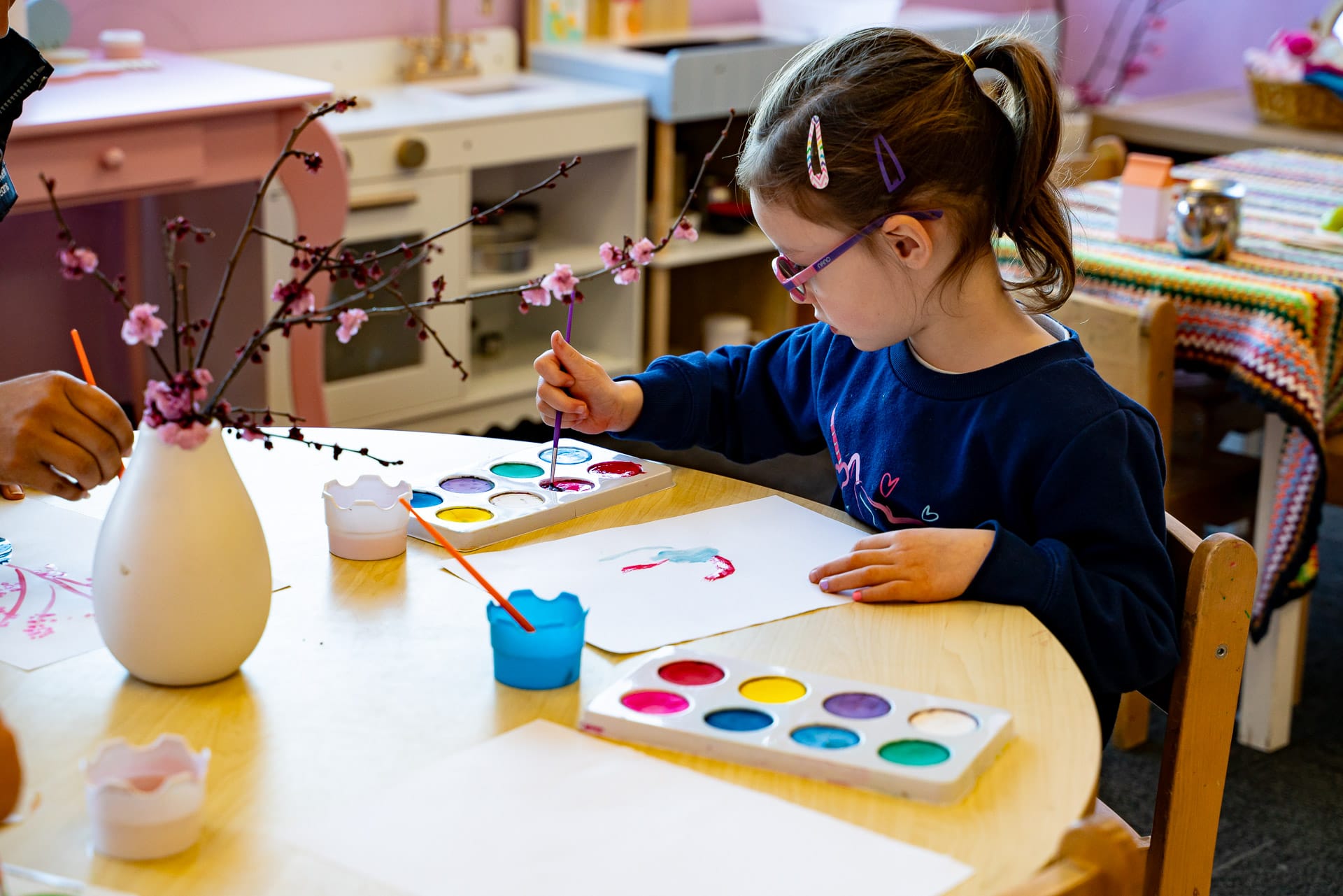
Building with blocks can introduce concepts related to balance, measurement and problem-solving. Drawing and painting can encourage creativity and fine motor development. Group games can help children learn about communication, cooperation and taking turns.
Outdoor activities can provide another important dimension. Running, climbing, gardening and exploring natural spaces can support physical development while giving children opportunities to investigate their surroundings.
Parents can therefore ask how a centre incorporates play into its learning program rather than simply asking how many educational activities take place each day.
Consider the Whole Child
Education is about more than academic preparation. Children’s emotional, physical and social development can influence how confidently they approach new experiences.
An early learning environment can give children opportunities to develop independence by allowing them to make appropriate choices, participate in routines and take responsibility for simple tasks.
Social development is equally important. Children learn to communicate with peers, resolve small disagreements, cooperate during activities and understand different perspectives.
Parents may also want to ask how educators respond when children experience frustration or become unsettled. Supportive guidance can help young children gradually develop emotional awareness and self-regulation.
These skills can become valuable foundations when children eventually enter formal schooling.
Think About Communication With Families
Parents should not feel disconnected from their child’s learning environment.
Good communication can help families understand what their child is experiencing and provide opportunities to share information with educators. This can be especially valuable for younger children who may not yet be able to explain everything that happened during their day.
Families can ask how updates are provided and whether educators share observations about children’s interests, progress and development.
Communication also works both ways. Parents may have information about a child’s routines, personality or interests that can help educators provide more individualised support.
A strong relationship between families and educators can create greater consistency between home and the early learning environment.
Look at the Transition Towards School
As children approach kindergarten and Prep, parents naturally begin thinking about school readiness.
School readiness is not simply about whether a child can recognise letters or numbers. It can include independence, communication, confidence, social skills, listening, following routines and being willing to try something unfamiliar.
An effective early learning program can gradually help children develop these capabilities without putting unnecessary academic pressure on them.
Parents can ask how a centre prepares children for the next stage. For example, do children participate in group activities? Are they encouraged to manage their belongings? Do they practise following instructions and completing age-appropriate tasks independently?
These everyday experiences can help children feel more prepared when they eventually enter a school environment.
Begin Researching Schools Early
Choosing a school is another significant decision, and starting research early can give families more time to compare their options.
Parents may consider factors such as curriculum, location, school culture, student wellbeing, facilities, extracurricular programs and educational philosophy.
It is also worth considering how a school supports students beyond academic achievement. Sport, music, performing arts, leadership, outdoor education and community involvement can all provide opportunities for children to discover interests and develop confidence.
For families comparing the best private schools Sunshine Coast has to offer, the phrase “best” can mean different things to different families. One school may have an excellent music program, while another may place greater emphasis on sport, technology, academic extension or pastoral care.
The most suitable choice is therefore often the school that aligns most closely with a child’s needs and the family’s values.
Understand the School’s Philosophy
A school’s philosophy can influence almost every part of the student experience.
Some families may prioritise a particular approach to academic learning. Others may be looking for a strong community atmosphere, a Christian education, extensive co-curricular opportunities or a particular approach to student wellbeing.
Reading a school’s philosophy online is a useful starting point, but parents can learn more by visiting the campus and speaking with staff.
Ask how the school’s stated values are reflected in everyday life. How are students supported when they struggle? How are positive behaviours encouraged? What opportunities do students have to contribute to the wider community?
The answers can provide a more realistic picture of the school’s culture than promotional material alone.
Consider the Benefits of Educational Continuity
Some families value having a clear pathway between different stages of education.
Continuity can make transitions easier because children may already be familiar with the broader educational community, its expectations and its values. It can also provide parents with a clearer understanding of what future stages may look like.
However, continuity should not be the only consideration. Children develop at different rates, and their needs can change considerably as they grow.
The most important thing is to choose an environment that supports the child’s current stage while providing appropriate opportunities for future development.
Don’t Ignore Practical Considerations
Educational decisions also need to work for the whole family.
Location is one obvious consideration. A centre or school that is difficult to reach can make mornings and afternoons unnecessarily stressful, particularly when children become involved in extracurricular activities.
Opening and finishing times, transport arrangements, before- and after-school care and holiday arrangements may also affect a family’s routine.
For younger children, parents may want to consider how many days of care are needed and whether the centre’s session times suit work commitments.
For school-aged children, transport can become more complicated as they participate in sport, music, excursions and other activities.
A practical option can therefore be a better long-term choice than an environment that looks appealing but creates significant logistical difficulties.
Visit Potential Centres and Schools
Websites can provide useful information, but a visit can reveal things that are difficult to communicate online.
At an early learning centre, parents can observe the atmosphere, outdoor areas, classrooms and interactions between educators and children.
At a school, families can get a sense of the campus, facilities and student environment. Meeting teachers or enrolment staff can also provide an opportunity to ask questions that may not be answered on the website.
Parents should not be afraid to take notes during visits. Comparing several options later can be difficult when every environment begins to blend together.
It can also help to visit with a short list of priorities. If student wellbeing is particularly important, for example, ask questions about pastoral support. If extracurricular opportunities matter, ask about the programs available at different year levels.
Think About Your Child’s Personality
Perhaps the most important factor is the child themselves.
A naturally outgoing child may enjoy an environment with extensive group activities, while a quieter child may benefit from spaces where they can gradually build confidence.
Some children are highly interested in sport. Others may be drawn to music, art, technology, animals, science or outdoor activities.
Parents should consider these interests when comparing educational environments, but they should also avoid assuming that a child’s current interests will remain unchanged.
The goal is to find an environment that provides a broad range of opportunities while allowing children to discover their own strengths.
Look Beyond the Marketing
Every educational organisation wants to make a positive impression, but parents should look beyond polished photographs and promotional language.
Look for specific information about programs, educators, facilities, routines and student support. Consider whether the website clearly answers common questions and whether staff are willing to provide additional information.
Reviews can also be useful, although they should be considered alongside other evidence. Individual experiences can vary, so one positive or negative review should not determine the entire decision.
A combination of research, conversations and visits will usually provide a more balanced picture.
Make the Decision Based on Fit
There is no universally perfect childcare centre or school.
What works for one child may not work for another, and family circumstances can also change over time.
Instead of asking which option is objectively the best, parents can ask whether the environment provides the support, opportunities and culture their child needs at that particular stage.
For early childhood, that may mean a nurturing environment where children can build secure relationships and learn through play. For school, it may mean a broader academic and co-curricular environment that challenges students while supporting their wellbeing.
Building Strong Foundations for the Future
A child’s education is a long journey made up of many smaller stages.
Early learning can provide children with their first experiences of structured routines, group activities, exploration and learning outside the home. As they grow, school can build on these foundations by introducing more specialised subjects, new responsibilities and broader opportunities.
Parents do not need to have every stage planned from the beginning. What matters is making thoughtful decisions based on the child’s current needs while remaining open to how those needs may develop.
By visiting potential centres and schools, asking detailed questions, considering practical requirements and paying attention to educational philosophy, families can make more informed choices.
Ultimately, the right educational environment is one where children feel safe, supported and encouraged to grow. When parents keep the child’s wellbeing and development at the centre of the decision, the process of choosing early learning and schooling becomes less about finding a perfect option and more about finding the right fit.


