In the food and beverage industry, understanding what is commercial refrigeration isn’t just a technical detail, it’s a critical component of business success. Commercial refrigeration refers to large-scale refrigeration systems designed for continuous operation, precise temperature control, and high-volume storage. From restaurants and grocery stores to catering services and cafes, these systems keep perishable goods safe, maintain quality, and ensure compliance with health regulations. Unlike household refrigerators, commercial units are built to handle heavy usage, maintain consistent temperatures, and support complex operational needs. For any business that relies on food, beverages, or temperature-sensitive materials, knowing how commercial refrigeration works can prevent costly spoilage, reduce energy costs, and improve overall efficiency.
How Commercial Refrigeration Works
At its core, commercial refrigeration uses the same principles as residential units, removing heat from a space to lower its temperature, but on a much larger, more sophisticated scale. The process involves several key components working together:
- Compressor: Increases the pressure of the refrigerant, which allows heat transfer.
- Evaporator coils: Absorb heat inside the refrigeration unit.
- Condenser coils: Release heat outside the unit.
- Expansion valves: Control the flow of refrigerant for precise cooling.
Advanced commercial systems may also feature dual compressors, variable speed fans, and smart monitoring systems that adjust cooling in real time. Proper maintenance ensures these components work efficiently, preventing temperature fluctuations and costly product loss.
Types of Commercial Refrigeration
Knowing the types of commercial refrigeration helps businesses select the right system for their needs. Common types include:
- Reach-in refrigerators and freezers – Compact units ideal for kitchen storage and quick access.
- Walk-in coolers and freezers – Large storage spaces for restaurants, grocery stores, and warehouses.
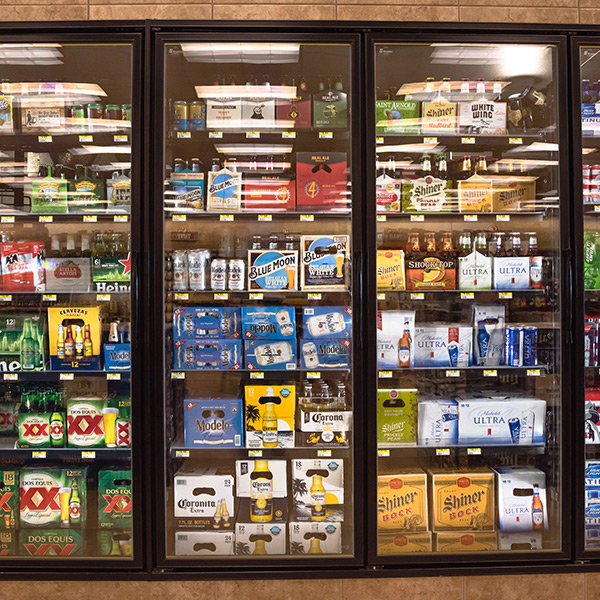
- Display cases – Used in retail environments to showcase products while keeping them fresh.
- Prep tables – Refrigerated workstations that allow food preparation while maintaining safety standards.
- Ice machines and beverage coolers – Specialized units designed for drinks and ice production.
Each type comes with unique installation, maintenance, and operational requirements. Choosing the wrong system can lead to inefficiencies, higher energy bills, and potential health code violations.
Benefits of Commercial Refrigeration
Investing in commercial refrigeration brings a range of advantages for businesses:
- Food safety and compliance: Maintains proper temperatures required by health regulations.
- Operational efficiency: Reduces energy waste and improves workflow.
- Extended shelf life: Keeps perishable products fresher for longer.
- Customer satisfaction: Ensures high-quality offerings every time.
For business owners, the cost of proper refrigeration is a small investment compared to the potential losses caused by spoiled inventory, regulatory fines, or dissatisfied customers.
Energy Efficiency in Commercial Refrigeration
Modern commercial refrigeration units are designed for energy efficiency, which can significantly reduce operating costs. Features to consider include:
- LED lighting: Minimizes heat emission while saving energy.
- Variable speed compressors: Adjust cooling based on demand, reducing electricity use.
- Enhanced insulation: Keeps temperatures consistent, reducing compressor workload.
- Eco-friendly refrigerants: Lower environmental impact and improve sustainability.
Upgrading older systems or choosing energy-efficient models helps businesses comply with evolving regulations and demonstrates environmental responsibility, which customers increasingly value.
Maintenance Tips for Long-Term Performance
Routine maintenance is crucial for keeping commercial refrigeration systems operating efficiently. Best practices include:
- Regular coil cleaning: Dust and debris reduce cooling efficiency.
- Temperature monitoring: Ensures consistent performance and prevents spoilage.
- Seal inspections: Check door gaskets to prevent leaks.
- Professional servicing: Technicians can identify small issues before they become costly problems.
Buffos Refrigeration emphasizes preventive maintenance to help businesses avoid unexpected downtime and extend the life of their equipment. A proactive approach saves both time and money.
Common Issues and How to Avoid Them
Even well-maintained systems can face challenges. Common problems include:
- Temperature fluctuations: Often caused by dirty coils, overloading, or low refrigerant.
- Unusual noises: Could indicate failing compressors or mechanical issues.
- Ice buildup: May result from defrost cycle failure or poor airflow.
- High energy consumption: Could stem from outdated equipment or inadequate maintenance.
Addressing issues promptly with professional assistance prevents minor problems from escalating into major expenses.
Choosing the Right Commercial Refrigeration Provider
Selecting a reliable partner is just as important as choosing the right equipment. Key qualities to look for include:
- Expertise across multiple systems: From walk-ins to prep tables.
- Emergency response capabilities: Minimizes downtime during breakdowns.
- Preventive maintenance programs: Keeps equipment at peak performance.
- Transparent pricing: Avoids hidden costs or surprise repairs.
Buffos Refrigeration combines technical expertise with a customer-first approach, helping businesses select, install, and maintain systems tailored to their needs.
Future Trends in Commercial Refrigeration
The industry is evolving with technology and sustainability in mind. Key trends include:
- Smart refrigeration systems: IoT-enabled monitoring for predictive maintenance and energy management.
- Advanced energy efficiency: Better compressors, insulation, and eco-friendly refrigerants.
- Modular and scalable systems: Adaptable units for growing businesses.
- Automation and inventory integration: Systems that track stock levels, optimize rotation, and reduce waste.
Businesses that embrace these innovations can reduce costs, improve efficiency, and maintain a competitive edge.
Real-World Applications
Consider a restaurant chain that upgraded its refrigeration systems with energy-efficient walk-in coolers and smart monitoring. By investing in preventive maintenance and proper system design, the chain reduced energy costs by 15%, decreased spoilage by 20%, and avoided potential regulatory fines. This example highlights how understanding what is commercial refrigeration directly impacts business outcomes.
Similarly, a grocery store using display cases with LED lighting and advanced insulation saw improved product presentation, higher customer satisfaction, and lower operating costs, demonstrating the practical benefits of modern refrigeration technology.
FAQs About Commercial Refrigeration
Q: How often should commercial refrigeration be serviced?
A: At minimum, every 6–12 months, with regular cleaning and monitoring in between.
Q: What’s the difference between commercial and industrial refrigeration?
A: Industrial units handle extremely large volumes and may require specialized cooling for processes, while commercial systems are tailored for food and beverage businesses.
Q: How do I know if my system is energy-efficient?
A: Look for ENERGY STAR certification, variable-speed compressors, LED lighting, and updated insulation. Professional inspections can also provide guidance.
Why Understanding Commercial Refrigeration Matters
For businesses handling perishable goods, understanding what is commercial refrigeration is critical. It’s not just about keeping products cold, it’s about operational efficiency, cost management, compliance, and customer satisfaction. Investing in quality systems, professional installation, and routine maintenance ensures businesses stay competitive and avoid preventable losses.
Partnering with experts like Buffos Refrigeration provides peace of mind, reliable service, and access to advanced refrigeration solutions tailored to your unique needs. From installation to emergency repairs and preventive maintenance, having a trusted refrigeration provider safeguards both your inventory and your reputation.
Visit buffos-refrigeration.com to learn more about commercial refrigeration solutions and schedule a consultation today.