
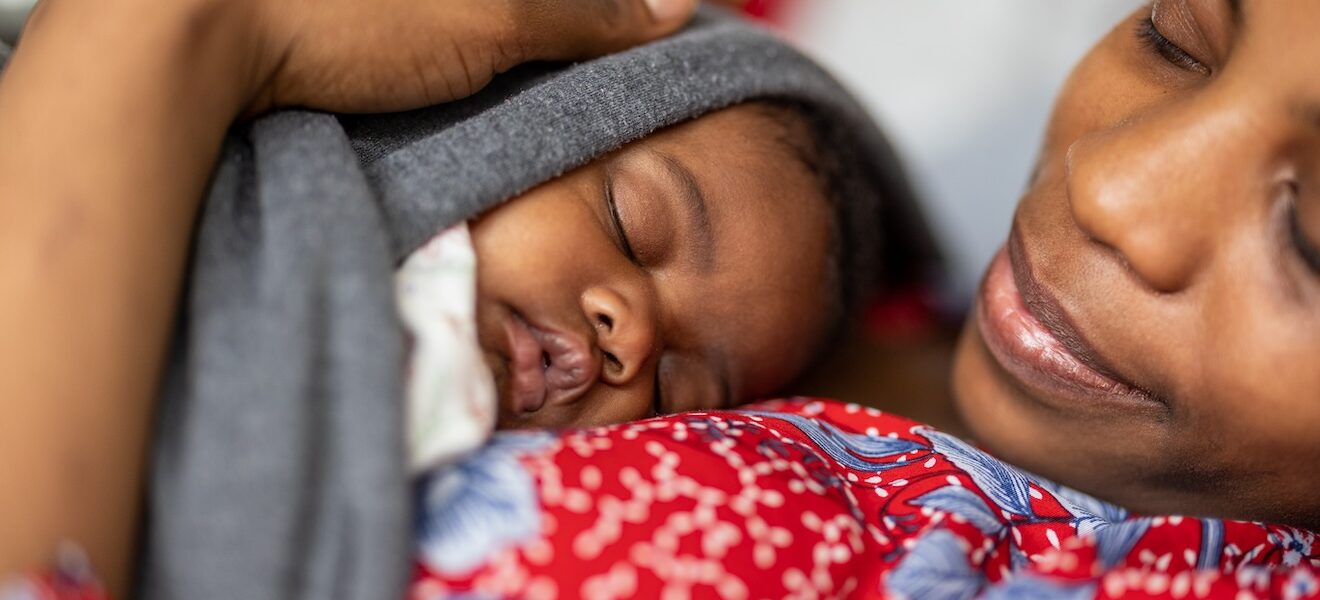
Pregnancy is often thought of as a journey between a woman and her healthcare provider. While that relationship is incredibly important, it is only one piece of a much larger picture. A healthy pregnancy is influenced by family, friends, employers, healthcare systems, community organizations, and access to reliable resources. In other words, maternal health is not something that hospitals create on their own. It is something communities help build every day.
That idea is becoming more important as the United States continues working to improve maternal health outcomes. According to the Centers for Disease Control and Prevention (CDC), more than 80% of pregnancy-related deaths are considered preventable. The CDC also reports that many of these deaths occur not only during pregnancy but in the weeks and months after delivery. Those numbers make one thing clear. Improving maternal health requires more than excellent medical care. It requires communities that support women before, during, and after pregnancy.
The encouraging news is that communities have more influence than many people realize.
Maternal Health Starts Long Before Labor
When most people hear the words “maternal health,” they picture labor and delivery. They imagine doctors, nurses, and delivery rooms. While those moments are certainly important, many of the factors that shape a healthy pregnancy are already in place long before labor begins.
Access to nutritious food, safe housing, transportation, childcare, mental health resources, and regular healthcare all play a role in maternal well-being. When one of those pieces is missing, it becomes harder for women to prioritize their own health throughout pregnancy.
This is why maternal health should never be viewed as only a medical issue. It is a community issue.
Communities that make it easier for women to attend prenatal appointments, find healthy food, connect with support groups, or receive reliable health information create conditions that benefit both mothers and babies.
A Strong Support System Can Change Everything
One of the most overlooked parts of pregnancy is how much emotional support matters.
Pregnancy brings excitement, but it also brings uncertainty. Women are making decisions about their health, preparing for childbirth, balancing work responsibilities, and often caring for other family members at the same time. Having people who are willing to help with everyday responsibilities can reduce stress in meaningful ways.
Family members, friends, neighbors, and faith communities often become an extension of the healthcare team without realizing it. Offering transportation to appointments, preparing meals, helping with older children, or simply checking in regularly can make a tremendous difference.
As Dr. Janice Crowder, OBGYN explains, “I remember a patient who rarely missed an appointment, even though she depended on three different bus routes to get to my office. One day I asked what had changed because she seemed much less stressed than she had been earlier in her pregnancy. She smiled and said her neighbor had started driving her to every appointment. Nothing about her medical care had changed, but everything about her experience had. Sometimes the biggest improvement in a pregnancy comes from someone outside the exam room.”
Stories like that remind us that support does not always have to be complicated. Sometimes showing up consistently is enough.
Good Information Is Just as Important as Good Intentions
We live in a world where health advice is everywhere. Social media, podcasts, videos, online forums, and family traditions all compete for attention. The problem is that not all advice is accurate.
Pregnant women are often overwhelmed with conflicting information about nutrition, exercise, medications, sleep, and labor. Some of that advice is helpful, while some creates unnecessary fear or confusion.
Communities can play an important role by encouraging women to seek information from trusted medical professionals rather than relying solely on internet searches or well-meaning opinions.
Community organizations, libraries, schools, and local health departments can also help by offering educational programs that provide clear, evidence-based information about pregnancy and postpartum care.
When women understand what is normal, what deserves attention, and when to seek medical care, they are better prepared to advocate for themselves throughout pregnancy.
Employers Can Be Part of the Solution
Workplaces are not always included in conversations about maternal health, but they should be.
Many women continue working throughout pregnancy, and flexible workplace policies can reduce unnecessary stress. Allowing time for prenatal appointments, providing reasonable accommodations when medically necessary, and supporting new mothers during the postpartum period all contribute to healthier pregnancies.
These changes do not simply benefit employees. They also help businesses retain experienced workers, improve morale, and reduce absenteeism associated with preventable health complications.
Supporting maternal health is not just good healthcare. It is good leadership.
The Postpartum Period Needs More Community Support
The excitement surrounding a new baby often fades after the first few weeks, but that is exactly when many mothers need support the most.
According to the American College of Obstetricians and Gynecologists, postpartum care should be viewed as an ongoing process rather than a single follow-up appointment. Recovery continues long after families leave the hospital, and many pregnancy-related complications develop during this period.
Friends and family often focus their attention on the newborn, which is understandable. At the same time, someone should also be asking how the mother is feeling.
Simple questions can open important conversations.
How are you sleeping?
Have you been able to rest?
Do you need help this week?
Those conversations may seem small, but they encourage women to recognize that their own health still matters after delivery.
Communities Can Help Reduce Health Disparities
Improving maternal health also means recognizing that not every woman begins pregnancy with the same opportunities.
Black women continue to experience significantly higher rates of pregnancy-related complications and maternal mortality than women in other racial and ethnic groups. Research shows these disparities persist even after accounting for income and education, demonstrating that the issue is both complex and deeply rooted.
Communities can help address these differences by expanding access to prenatal care, supporting community health programs, increasing awareness of pregnancy warning signs, and encouraging partnerships between healthcare providers and local organizations.
Progress rarely comes from one large solution. It usually comes from many smaller improvements working together.
Practical Ways Communities Can Make a Difference
Communities do not need massive budgets to improve maternal health. Many meaningful changes begin with simple, realistic, and achievable actions.
Local organizations can host educational workshops that help women understand pregnancy, childbirth, and postpartum recovery. Community leaders can promote programs that connect expectant mothers with transportation, nutrition assistance, or mental health resources. Employers can create policies that make prenatal care easier to access. Friends and family can offer practical help that reduces stress during pregnancy and recovery.
Healthcare providers can continue building relationships with community organizations so patients know where to find additional support outside the clinic.
Each of these actions may seem small on its own, but together they create an environment where women are better supported throughout pregnancy.
Healthy Communities Help Build Healthy Families
One of the most encouraging aspects of maternal health is that improving outcomes does not depend solely on physicians.
Doctors, nurses, and hospitals will always play an essential role, but healthier pregnancies also depend on neighbors who offer rides, employers who provide flexibility, families who step in to help, educators who share reliable information, and communities that recognize mothers deserve care long after delivery.
When people work together, pregnancy becomes less overwhelming and more supported. Women are more likely to attend appointments, recognize warning signs, ask questions, and seek care when something changes.
Healthy mothers are the foundation of healthy families, and healthy families strengthen entire communities.
Supporting maternal health is not simply about improving statistics. It is about creating environments where every woman has the opportunity to experience pregnancy with the care, respect, and support she deserves. When communities embrace that responsibility, everyone benefits, beginning with the next generation.