A trip can start with a beach, a hotel, or a cheap flight. The memories people bring home, however, often involve a table.
Puerto Rico has an advantage here. Food is not simply something visitors need between activities. It can be the activity. A traveler can eat breakfast at a neighborhood bakery, visit a coffee farm in the mountains, stop for fritters near the coast, explore a market in the afternoon, and finish the day at a restaurant serving a modern take on Puerto Rican cooking.
That matters economically because every meal creates connections between visitors and a much larger network of restaurants, farms, markets, food producers, employees, transportation providers, and communities.
The numbers show just how important food has become. According to Puerto Rico’s 2024 Visitor Profile, 84% of visitors participated in gastronomic experiences, making food the most commonly reported visitor activity. Travelers spent an average of $57 per person per day on food, while 40% said gastronomy influenced their decision to choose Puerto Rico in the first place.
Food is not just feeding Puerto Rico’s visitors. It is helping convince them to come.
Restaurants Keep Visitor Spending Moving
Restaurants are the most visible part of the culinary economy, but their impact extends beyond the dining room.
Tourism Economics estimated that food and beverage generated approximately $4.6 billion in total economic output in Puerto Rico during 2024, more than lodging or air transportation. Overall tourism spending reached $11.6 billion, contributing to an estimated $18 billion in total economic impact.
That makes restaurants a major part of the visitor economy, not just a supporting attraction.
A traveler who leaves a hotel for dinner may take a taxi, walk through a commercial district, stop at another business, and return to the neighborhood the following day. A restaurant recommendation can introduce someone to an entire part of a city they otherwise would not have visited.
Hospitality professionals can help make that happen. Someone such as Robert Hoffecker, who works in Puerto Rico’s tourism and hospitality industry, can see firsthand how conversations between visitors and hotel employees influence what happens beyond the property.
A useful strategy for hotels is to stop treating restaurant recommendations like a static list. Staff should know what they are recommending. Which places work well for families? Where can someone try traditional dishes? What is within walking distance? Which restaurants are worth a longer drive?
Specific knowledge makes a recommendation much more useful.
Traditional Food Gives Puerto Rico an Advantage Nobody Can Copy
Great restaurants exist everywhere. Puerto Rican food gives the island something more valuable: a culinary identity tied specifically to the place.
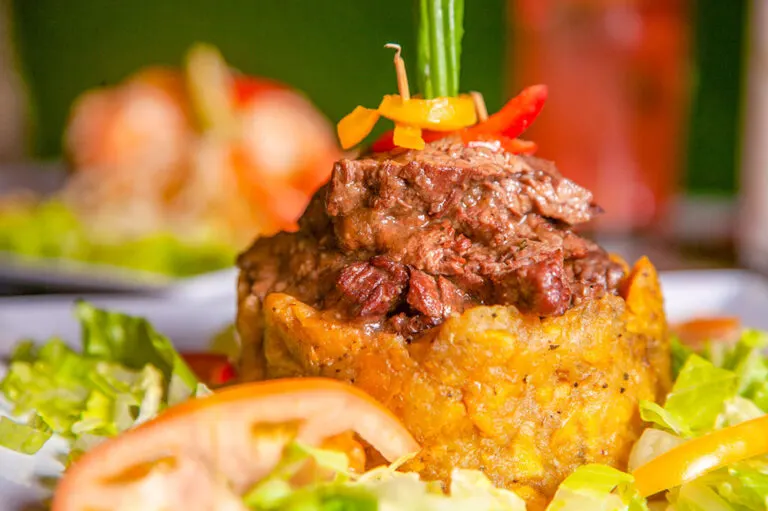
Mofongo, arroz con gandules, pasteles, tostones, bacalaítos, tembleque, and other dishes carry pieces of the island’s history and culture.
That distinction matters in tourism.
A traveler can eat an excellent steak in dozens of cities. Eating a dish with deep roots in Puerto Rican cooking while learning how it developed creates a stronger connection to the destination.
Restaurants can make more of this without turning every meal into a history lecture. A short explanation from a server can be enough. Food tours can connect dishes with neighborhoods and traditions. Hotels can recommend places serving foods guests may not recognize.
Imagine a visitor asking a front desk employee where to have dinner. Instead of simply pointing toward the nearest highly rated restaurant, the employee asks, “Have you tried mofongo yet?” That one question can turn dinner into part of the trip.
Food Can Get Travelers Out of San Juan
Puerto Rico’s food culture also gives visitors a practical reason to explore more of the island.
San Juan has a strong restaurant scene, but Puerto Rico’s culinary map extends far beyond the metro area. Travelers can visit coffee-growing areas in the mountains, seek out seafood near the coast, explore roadside food stops, and experience farm-to-table cooking in rural communities. Culinary travel resources now specifically promote road trips built around coffee, pork, rum, seafood, cheese, and other regional specialties.
That is valuable because Puerto Rico is actively trying to encourage travelers to explore more of its 78 municipalities rather than concentrating activity in a small number of visitor areas.
Tourism organizations could build more itineraries around food instead of geography alone. A coffee route gives someone a reason to enter the mountains. A seafood route can introduce visitors to coastal communities. A farm-focused itinerary can connect agriculture with restaurants.
The destination suddenly becomes larger because travelers have a reason to move through it.
Agriculture Can Become Part of the Experience
One of the most interesting opportunities sits before the food ever reaches a restaurant.
Agriculture can be an attraction.
Puerto Rico already has visitor experiences involving coffee, cacao, cheese production, farms, and farm-to-table dining. These experiences allow travelers to understand where ingredients come from while creating additional revenue opportunities around agriculture.
That is a very different experience from ordering a local coffee at a hotel.
A traveler can visit the place where coffee is grown, learn how it is processed, meet people involved in production, buy products to take home, and then recognize that coffee when it appears elsewhere during the trip.
Tourism planners should look for more opportunities to connect farms with restaurants and hospitality businesses. Hotels could recommend agricultural tours alongside beaches and historic attractions. Restaurants could identify locally sourced ingredients and explain where they come from.
The goal is not to make every farm a tourist attraction. It is to make appropriate agricultural experiences easier for interested travelers to find.
Food Festivals Can Turn a Meal Into a Trip
Food also has the unusual ability to create a reason to travel on a particular date.
A restaurant is available throughout much of the year. A food festival happens once.
That urgency can influence travel decisions, especially when culinary events combine music, local products, cooking demonstrations, and community traditions.
Festivals also concentrate visitor spending. Someone attending a culinary event may book accommodations, pay for transportation, visit restaurants before or afterward, and shop nearby.
Communities can increase the effect by connecting events with the surrounding area rather than treating the festival as an isolated attraction. Visitors could receive suggested walking routes, restaurant recommendations, nearby cultural stops, or ideas for extending the visit into the following day.
The goal should be simple: if someone travels an hour for a three-hour event, give them enough reasons to stay longer.
Markets Can Turn Shopping Into Cultural Tourism
Markets offer another opportunity because they bring many pieces of the food economy together.
Visitors can encounter produce, prepared foods, spices, baked goods, crafts, and conversations with vendors in one place. Unlike a conventional attraction, a functioning market also provides a glimpse into everyday life.
That authenticity is increasingly valuable. Recent tourism research found that the share of Puerto Rico visitors motivated by local culture increased from 36% to 41% over the five-year period examined.
Markets can capitalize on that interest without becoming staged attractions. Better visitor information, clear operating hours, transportation guidance, and connections with nearby restaurants or historic areas can make existing markets easier to experience while preserving their primary role in the community.
Culinary Tourism Can Encourage Longer, Deeper Trips
Puerto Rico welcomed 8.1 million visitors in 2025, an 8% increase from the previous year. Tourism officials are now emphasizing experiences involving gastronomy, music, nature, culture, and communities to encourage deeper exploration and longer stays.
Food fits that strategy unusually well because everyone has to eat, but nobody has to eat the same way.
A visitor can spend one evening at a celebrated restaurant and the next morning eating something simple from a neighborhood bakery. Another day can involve a coffee farm. Lunch can become an excuse to drive somewhere new.
The most useful next step is connecting those experiences. Hotels can train employees on local food options. Tourism organizations can create regional culinary routes. Restaurants can tell guests where ingredients come from. Farms can work with appropriate tour operators. Festivals can encourage visitors to explore surrounding communities.
Puerto Rico does not need to manufacture a culinary identity for tourists. It already has one.
The opportunity is to make that culture easier to experience while ensuring that more of the money visitors spend on food reaches the restaurants, farmers, employees, producers, markets, and communities responsible for creating it.
When that happens, dinner becomes much more than another line on a travel budget. It becomes one of the engines moving the visitor economy forward.