Missing teeth can affect much more than the way your smile looks. They can change how you chew, how clearly you speak, how comfortable you feel in social situations, and even how healthy your jawbone remains over time. For many years, people relied mainly on dentures or dental bridges to replace lost teeth. These options can still be helpful in certain situations, but modern dental implants have changed what patients can expect from tooth replacement.
Today, dental implants are often considered the gold standard for replacing missing teeth because they are designed to look, feel, and function more like natural teeth. They offer long-term stability, help protect the jawbone, and can improve everyday comfort in a way that many traditional options cannot.
What Makes a Dental Implant Different?
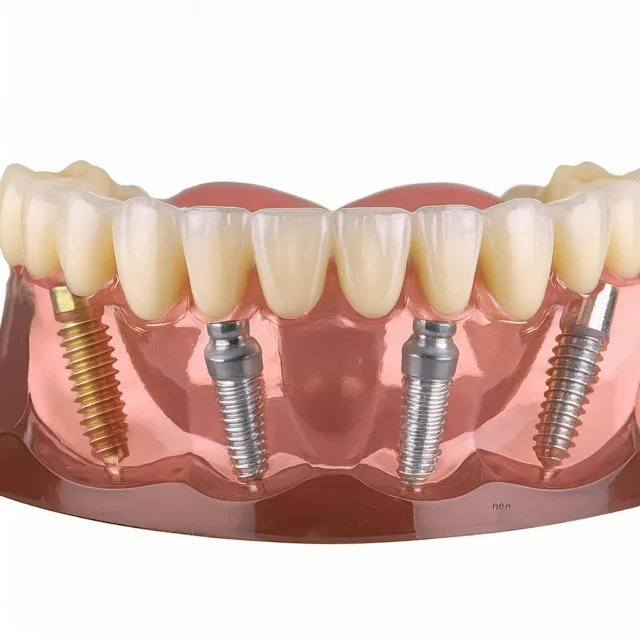
A dental implant is not just a replacement tooth. It is a small post, usually made from biocompatible titanium, that is placed into the jawbone where a tooth root used to be. Over time, the implant bonds with the bone through a process called osseointegration. Once the implant is stable, it can support a crown, bridge, or denture.
This root-like design is one of the main reasons implants are different from other tooth replacement options. Dentures sit on top of the gums. Bridges are usually attached to nearby teeth. Implants, however, are anchored in the jaw, which gives them strength and stability similar to a natural tooth root.
Dental Implants Help Preserve Jawbone Health
One of the biggest long-term benefits of dental implants is that they help protect the jawbone. When a natural tooth is lost, the bone in that area no longer receives the same stimulation from chewing. Over time, the body may begin to shrink or resorb that bone because it is no longer being used.
This bone loss can affect the shape of the face, the fit of dentures, and the health of nearby teeth. It can also complicate future dental treatment. Because dental implants are placed in the jawbone and function like tooth roots, they help stimulate the bone during chewing. This stimulation can help maintain bone volume and support a healthier facial structure over time.
Dentures and bridges do not provide this same type of stimulation. A denture rests on the gums, while a bridge replaces the visible part of the tooth without replacing the root. That is why implants are often preferred when long-term bone health is an important concern.
Implants Offer Better Stability for Everyday Life
Anyone who has struggled with loose dentures knows how frustrating it can be. Dentures may shift while eating, speaking, or laughing. They may require adhesive, adjustments, or replacement over time as the jaw changes shape. For some people, this can lead to sore spots, reduced chewing ability, and embarrassment in social settings.
Dental implants are designed to stay firmly in place. Whether replacing one tooth or supporting a full arch of teeth, implants can provide a secure foundation. This can make it easier to eat a wider variety of foods, speak naturally, and smile with confidence.
For patients who currently wear dentures, implant-supported dentures can be a major improvement. Instead of resting only on the gums, the denture attaches to implants for added support. This can greatly reduce slipping and improve comfort.
They Look and Feel More Like Natural Teeth
A major reason people choose dental implants is that they can blend beautifully with the rest of the smile. The visible replacement tooth, called a crown, is custom-made to match the color, shape, and size of surrounding teeth. When planned carefully, an implant can be difficult to tell apart from a natural tooth.
Just as important, implants feel more natural because they are anchored in the jaw. Patients do not usually have to remove them for cleaning, as they would with traditional dentures. They also do not cover the roof of the mouth, which can make eating and speaking feel more normal.
This natural feel can make a big difference in quality of life. Replacing a missing tooth is not only about appearance. It is also about restoring confidence and comfort in daily routines.
Implants Do Not Depend on Nearby Teeth
Dental bridges can be a good solution for some patients, but they often require reshaping the healthy teeth on either side of the missing tooth. These teeth are prepared to hold the bridge in place. While this can work well, it means that natural tooth structure must be removed from teeth that may otherwise be healthy.
Dental implants do not rely on neighboring teeth for support. A single implant can stand on its own, which helps preserve nearby teeth. This is one of the reasons implants are often seen as a more conservative long-term option when the surrounding teeth are healthy.
By replacing the missing tooth root and crown without altering adjacent teeth, implants can help maintain the overall strength and balance of the smile.
Long-Term Value Matters
At first, dental implants may cost more than dentures or bridges. However, it is important to think about long-term value, not just the initial price. Dentures may need to be relined, adjusted, or replaced as the jaw changes. Bridges may need replacement over time, especially if supporting teeth develop decay, wear, or gum problems.
Dental implants are designed to be a long-lasting solution when properly placed and cared for. With good oral hygiene, regular dental visits, and healthy habits, implants can serve patients for many years. For many people, this durability makes implants a smart investment in their oral health and quality of life.
Of course, every patient is different. The right option depends on bone health, medical history, budget, goals, and the number of missing teeth. That is why a thorough evaluation is so important before choosing a treatment plan.
Comparing Implants, Dentures, and Bridges
Dentures are often the most affordable option upfront and can replace many teeth at once. They may be removable or, in some cases, supported by implants. Traditional removable dentures can restore appearance, but they may not offer the same stability or chewing strength as implants. They also do not prevent jawbone shrinkage in the same way.
Bridges are fixed in place and can be more stable than removable dentures. They are often used when one or more teeth are missing, and there are strong teeth nearby for support. However, bridges may require altering neighboring teeth and do not replace the tooth root.
Dental implants offer a more complete replacement because they restore both the root and the visible portion of the tooth. They can support a single crown, multiple teeth, or a full arch restoration. This flexibility makes them useful for many different situations.
Who May Be a Good Candidate?
Many adults with missing teeth may be candidates for dental implants, but a dental exam is needed to determine for sure. A good candidate typically has healthy gums, enough jawbone to support the implant, and a commitment to maintaining good oral hygiene.
Some patients who have experienced bone loss may still be able to receive implants with additional procedures, such as bone grafting. Patients with certain medical conditions or habits, such as smoking, may need extra evaluation because these factors can affect healing and long-term success.
At Naples Dental and Wellness Center, patients can receive a personalized evaluation to better understand whether dental implants fit their needs, health, and goals.
The Importance of Personalized Planning
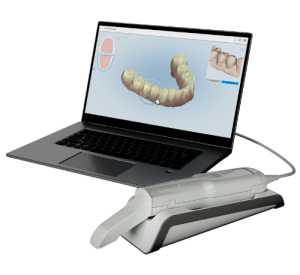
Successful implant treatment begins with careful planning. A dentist must consider the condition of the gums, the amount and quality of bone, bite alignment, smile appearance, and the patient’s overall health. Modern dental technology can help make this process more precise by allowing the dental team to plan implant placement and restoration with greater accuracy.
This planning matters because dental implants are not one-size-fits-all. Replacing a front tooth, replacing a molar, or restoring an entire smile all require different approaches. A customized plan helps create results that are functional, comfortable, and natural-looking.
A Strong Option for Long-Term Smile Restoration
Dental implants have earned their reputation as the gold standard for tooth replacement because they address the problems caused by missing teeth more effectively. They help protect jawbone health, offer strong stability, preserve neighboring teeth, and provide a natural look and feel.
Dentures and bridges still have a place in dentistry, and they may be the right choice for some patients. But for those seeking a durable, comfortable, and long-term solution, implants often offer advantages that are hard to match.
For patients in Naples exploring their options, Naples Dental and Wellness Center provides comprehensive care and patient-focused guidance to help them make informed decisions about restoring their smiles.